

Finding the Perfect Cold Plunge Temperature: What You Need to Know
If you’ve ever jumped into a cold lake, taken an icy shower, or dipped into a frigid bath, you’ve already gotten a taste of cold therapy. But for those intentionally practicing cold plunging, the question comes up fast: What’s the ideal cold plunge temperature?
The answer isn’t one-size-fits-all. It depends on your goals, experience level, and how your body responds. Whether you’re a seasoned pro or just starting your cold therapy journey, understanding how to choose the right temperature can help you get the most out of each plunge.
Why Cold Plunge Temperature Matters
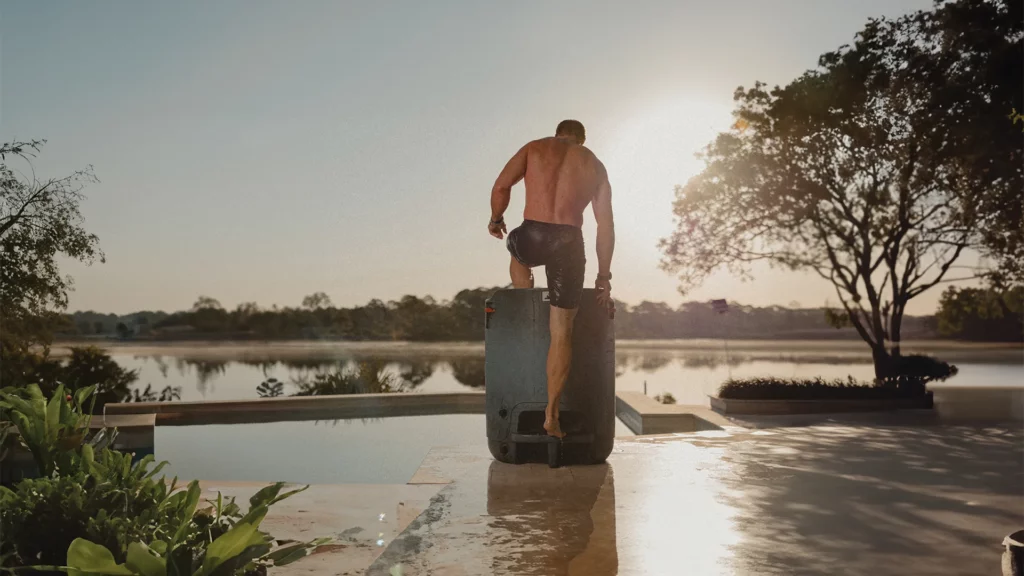
Cold water therapy triggers a number of physiological responses that can enhance recovery, sharpen mental focus, and even boost your mood. But the effectiveness of your plunge is closely tied to how cold the water is. If it’s too warm, you might not activate the full range of benefits. If it’s too cold, you could put your body under unnecessary stress or even risk injury.
That’s why dialing in the right cold plunge temperature is so important. It’s the key to a safe and effective experience.
The Science Behind Cold Water Exposure
When your body is exposed to cold water, it reacts immediately. Blood vessels constrict, your heart rate increases, and your body shifts into survival mode. These responses are what make cold plunging so beneficial. It boosts circulation, triggers endorphins, reduces inflammation, and activates brown fat, which helps regulate body temperature and burn energy.
But these benefits are only fully activated when the water temperature reaches a certain threshold. That’s where things get interesting.
Recommended Cold Plunge Temperatures by Experience Level

Let’s break it down by experience. According to the experts at Ice Cap Cold Plunge, here’s a helpful guideline to follow:
For Beginners: 55°F to 60°F
If you’re just getting started, start here. This range is cold enough to kickstart the benefits of cold therapy without shocking your system. It allows your body to ease into the practice while you get used to the sensations and breathing through discomfort.
Stay in for about 1 to 2 minutes during your first few sessions. As your tolerance builds, you can slowly increase your time.
Intermediate: 45°F to 55°F
Once you’re comfortable in the beginner range, you can drop the temperature. This is where cold plunging becomes more therapeutic. At these temps, your body has to work harder to adapt, and you’ll feel the effects almost immediately. You may feel more mentally alert and notice quicker recovery from workouts.
It’s a good idea to aim for 2 to 5 minutes in this range, depending on how you feel.
Advanced: 37°F to 45°F
This is the deep end of cold plunging and is reserved for experienced users. At this level, the water feels icy and intense. You’ll likely need to mentally prepare before stepping in, and breathing control becomes essential. This range is known for pushing your limits and providing the deepest physical and mental benefits.
Time spent in this range should be kept short, generally between 1 to 3 minutes. Always listen to your body.
Important: Never force your way through a plunge. If you feel dizzy, numb, or overly stressed, it’s time to get out and warm up.
What’s the Coldest You Should Go?
Most people don’t need to dip below 37°F to experience all the benefits of cold water immersion. While some ice bath enthusiasts may aim for even lower temperatures, anything under 37°F enters the territory of extreme exposure. Without proper training and monitoring, this can be dangerous.
The best practice is to find the cold plunge temperature that challenges you but still allows you to maintain control of your breath and stay present.
Cold Plunge Temperature vs. Duration
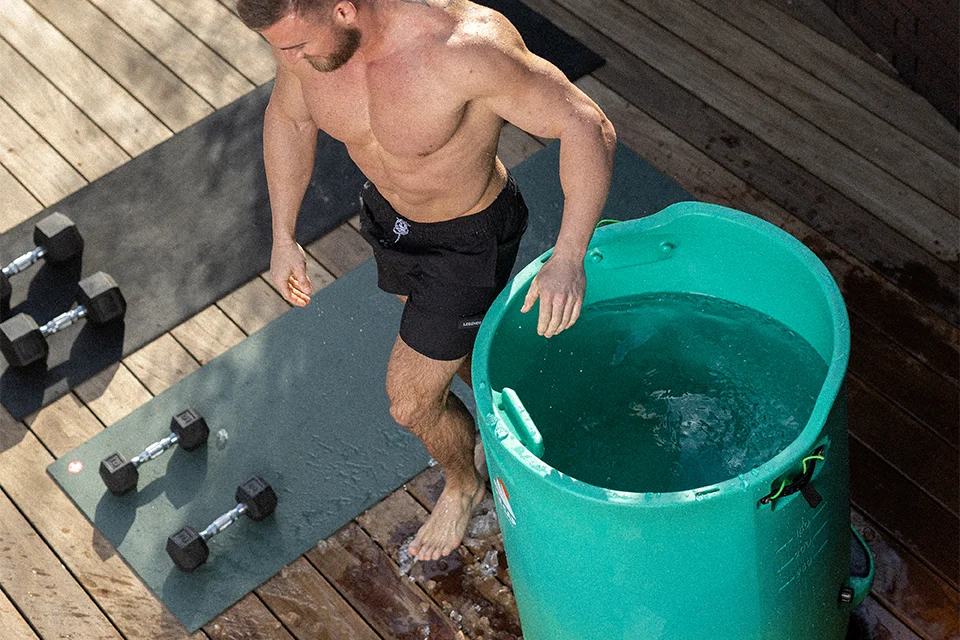
One common question is: Should I go colder or stay in longer?
The answer depends on your goal. Colder water activates your body’s stress response more quickly, meaning you don’t have to stay in as long to get results. Warmer water requires longer exposure to achieve the same benefits. Think of it as a trade-off between intensity and time.
For example:
- 37°F plunge: 1 to 2 minutes
- 50°F plunge: 3 to 5 minutes
- 60°F plunge: 5 to 10 minutes
No matter your choice, always prioritize consistency over extremes. You’ll get more benefits from daily 3-minute plunges at a manageable temperature than one epic freeze-out each week. For more information, read our guide about how long to cold plunge.
How to Choose the Right Temperature for You
Finding your sweet spot will take a little experimentation, but here are a few tips to help:
- Start warmer than you think. There’s no shame in beginning at 60°F. You’ll still feel the chill, and it gives your body time to adapt.
- Track your response. How do you feel immediately after? How about an hour later? Your energy, mood, and muscle recovery can all provide clues.
- Adjust slowly. Don’t drop 10 degrees overnight. Instead, lower your temperature by 2 to 3 degrees each week as you build confidence.
- Use a routine. Building a regular cold plunge routine will help you adapt quicker and get more consistent results.
Creating the Ultimate Cold Plunge Setup at Home
Temperature control is key, which is why so many people choose Ice Cap Cold Plunge systems for their home setup. Ice Cap makes it easy to dial in your desired temperature and maintain it session after session. There’s no guessing and no hauling ice.
Their sleek design, reliable performance, and industry-grade chillers take the guesswork out of cold plunging so you can focus on feeling better, thinking clearer, and recovering faster.
Final Thoughts: Your Ideal Cold Plunge Temperature Awaits
There’s no single perfect cold plunge temperature. It’s about finding what works for your body and goals. For some, it’s 50°F every morning before coffee. For others, it’s a 40°F weekend reset. The best cold plunge temperature is the one that challenges you just enough to build resilience without overwhelming your system.
Take your time, stay consistent, and track how you feel. Before long, you’ll find your personal cold zone and all the mental and physical clarity that comes with it.Ready to get started with your own cold plunge journey? Explore Ice Cap Cold Plunge and discover how easy it is to bring cold therapy into your daily routine at the exact temperature that’s right for you.